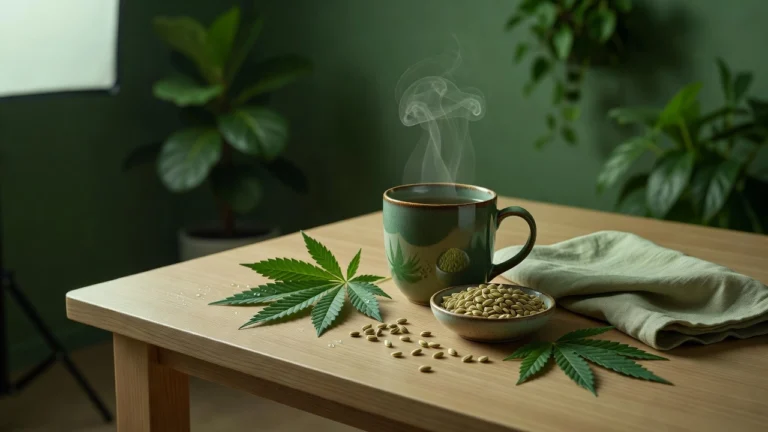
Hemp Seed Tea Benefits for Respiratory and Congestion Relief
Breathing should be effortless, yet millions of people struggle daily with congestion, inflammation, and respiratory
There is something almost magical about wrapping your hands around a warm mug and breathing in the soft, floral scent of lavender. If you have never tried lavender tea before, you are in for a genuine treat. And if you have already tasted it, you probably already know why people keep coming back to this beautiful purple bloom.
Lavender tea has been quietly winning over tea lovers around the world, and it is easy to see why. It is calming, fragrant, and surprisingly versatile. But if you are new to it, you might have questions. What does it actually taste like? Is it good for you? How do you even brew it properly without ending up with something that tastes like a bar of soap?
Do not worry, we have got you covered. In this guide, we will walk you through everything you need to know as a beginner. From the flavour profile and potential health benefits to simple step-by-step brewing tips, by the end you will feel completely confident making your own perfect cup at home. Let us get started.
Lavender tea is, strictly speaking, a herbal infusion rather than a “true” tea. In the world of botanical drinks, it belongs to a category called a tisane, which simply means a drink made by steeping plant material in hot water rather than tea leaves from the Camellia sinensis plant. At its most basic, lavender tea is made by infusing dried lavender flowers in hot water and allowing their natural oils and aromatics to gently release into the cup. It can be enjoyed as a single-herb brew, or blended with complementary botanicals to create something more layered and interesting.
One of its most appealing qualities is that lavender tea is completely caffeine-free. This makes it a genuinely versatile drink that works at any point in the day, whether you fancy a calming morning ritual, an afternoon pause, or a soothing wind-down before bed. You can explore more about lavender tea brewing, blending and buying to understand just how flexible this herbal infusion can be.
It is also worth knowing that not all lavender is created equal. Culinary lavender, typically Lavandula angustifolia (often called English lavender), is grown specifically for use in food and drink. It has a softer, more balanced flavour profile than ornamental varieties, which may carry pesticide residues or simply taste unpleasant in a cup. Quality sourcing really does matter here.
When lavender is thoughtfully blended with botanicals such as mint, rose petals and hemp seed, the result is a more rounded, complex infusion with each ingredient complementing the others beautifully. You can learn more about lavender tea blends for calm and everyday wellness to see how artisan blending elevates the experience. Lavender itself has featured in European herbal traditions for over 2,500 years, valued for its calming and restorative qualities, giving every cup a wonderfully grounded sense of heritage.
Lavender has a flavour that’s genuinely quite beautiful once you know what to expect. At its core, it’s floral and gently sweet, with a light herbaceous quality and subtle earthy undertones that soften considerably when the dried buds meet hot water. Think of it as less sharp than mint, less grassy than green tea, and a touch more complex than chamomile. That natural sweetness means it rarely needs sugar, which is a lovely bonus for anyone trying to cut back.
One thing worth knowing early on is that lavender is a confident botanical. When brewed correctly, it’s delicate and inviting; over-steeped, it can tip into something almost soapy or overpowering. As a first-time brewer, start conservatively. Around one teaspoon of dried buds and roughly three to four minutes of steeping in freshly boiled water is a good starting point. You can always adjust from there, but it’s much easier to steep a little longer next time than to rescue a pot that’s gone too far. For more on technique, this guide to lavender tea brewing and blending is well worth a read.
Blending changes everything. In our blend at Leonard’s Herbal Hemp Tea, mint brings brightness and a clean, refreshing finish that lifts the whole cup. Rose petals add another layer of gentle sweetness without crowding the lavender. And the hemp seed, our quietly distinctive ingredient, contributes a smooth, mildly nutty base that gives the blend real body and roundness. If you’re curious about how botanicals work together in this way, this overview of lavender tea benefits and blends offers some lovely context.
In the cup, expect a pale golden liquor with the faintest lilac tinge and a wonderfully fragrant steam that greets you before the first sip. That aromatic quality is part of what makes lavender tea such a genuinely calming experience, setting it apart from everyday drinks entirely. For anyone stepping back from caffeine or simply wanting something a little more considered in their daily routine, lavender tea is a beautifully purposeful choice.
Lavender has been valued as a soothing botanical for thousands of years. From ancient Egypt and Rome through to the herb gardens of medieval Europe, it has held a consistent place in traditional wellness practices. Many people find that simply preparing a cup of lavender tea feels like a small act of self-care, and that association with calm and relaxation runs deep through its botanical history. We’d never want to overstate what a cup of tea can do, but it’s fair to say that lavender is traditionally associated with a sense of gentle comfort, and that’s something worth celebrating.
Its role in aromatherapy is particularly well established. Lavender (Lavandula angustifolia) has long been central to European herbal traditions, especially in the Mediterranean and Provence regions, where it has been distilled into essential oils, woven into beauty rituals, and incorporated into culinary traditions for centuries. A review of 15 studies found that inhaling lavender essential oils was linked to improved mild sleep disturbances, lending real historical weight to its reputation as a calming herb. It’s worth noting that most of this research focuses on aromatherapy rather than drinking lavender as a tea; the two are distinct, and we think honesty about that matters. That said, you can explore more about lavender tea benefits if you’d like to dig deeper into the botanical background.
One entirely practical wellness benefit needs no caveats at all: lavender tea is completely caffeine-free. As a tisane (as covered earlier in this guide), it contains no Camellia sinensis and therefore no caffeine whatsoever. This makes it a genuinely useful choice for evening wind-down routines, for anyone cutting back on caffeine, or simply for those who want a warming drink after dinner without any effect on sleep. Many people find it’s the perfect companion to a quiet evening, and the science behind lavender tea supports its growing reputation as a purposeful, evening-friendly drink.
A quick word on hemp seed, since it’s one of the key ingredients in our blend at Leonard’s Herbal Hemp Tea. Hemp seed comes from the seed of the hemp plant, not the leaf or flower. It contains no meaningful levels of THC, is entirely non-psychoactive, and is fully legal in the UK as a food ingredient. It brings a mild, nutty flavour to the cup and contributes naturally occurring nutrients. It’s simply a wholesome seed with a slightly misunderstood reputation.
All of this sits within a broader story about how UK tea drinkers are changing what they reach for. The UK herbal tea market was valued at around $190 million in 2024 and is projected to grow to $310 million by 2035, driven largely by demand for health-focused, naturally caffeine-free botanical blends. Wellness and functional teas were ranked the number one consumer trend in the 2025 State of the Tea Industry survey, reflecting a genuine, measurable shift toward purpose-driven drinking. People are increasingly choosing their cup with intention, and lavender tea fits that mood beautifully.
Nestled amongst the rolling hills of the Scottish Borders, Rowchester Farm is the beating heart of Leonard’s Herbal Hemp Tea. This is where every batch begins, not in a factory or a blending facility somewhere anonymous, but on a real working farm with real people who genuinely care about what goes into your cup. It’s the kind of origin story that’s increasingly rare, and honestly, rather lovely.
Every element of the blend has been chosen with real purpose. British-grown hemp seeds are gently crushed before blending, releasing their naturally nutty, smooth character and providing depth to the infusion. Fragrant lavender is hand-picked for its soft floral aroma and calming properties, the same qualities we explored earlier in this guide. Fresh mint brings a clean, refreshing finish that lifts the whole blend and supports digestion. Delicate rose petals add a subtle sweetness and gentle botanical complexity that rounds everything out beautifully. Four ingredients, each chosen for quality and how well they complement one another.
What makes this blend stand out is the commitment to simplicity and honesty. The ingredients list reads exactly as it sounds: Hemp Seed, Mint, Lavender, Rose Petals. No artificial additives, no fillers, no shortcuts. Every pouch is hand-packed in small batches, meaning genuine attention goes into every stage of production. That’s a very different approach from volume-led, mass-market manufacturing.
More and more British consumers want to know where their food and drink actually comes from. This shift toward provenance-led purchasing reflects a broader eco-conscious mindset, one that values transparency, sustainability, and the traditions of British farming over convenience alone. Leonard’s farm-to-cup approach fits naturally into this movement, offering something traceable, thoughtful, and rooted in a real place.
Being family-run means every decision is personal. There’s no board of directors deciding to cut costs on ingredients. There’s simply a family at Rowchester Farm, crafting botanical tea the way they believe it should be made, with care, with knowledge, and with a genuine love of natural flavour.
Getting the brew right makes all the difference between a cup that sings with gentle floral notes and one that tastes harsh or overpowering. The good news is that brewing lavender tea is wonderfully straightforward once you know a few simple guidelines.
Start with water that is just off the boil, ideally between 90 and 95 degrees Celsius. Fully boiling water at 100 degrees can scorch the delicate lavender buds and draw out bitter, astringent compounds that mask those beautiful floral notes you’re after. Think of it like this: you wouldn’t blast a fresh herb with steam and expect it to smell lovely. A gentler heat coaxes out the aromatics far more kindly. If you don’t have a temperature-controlled kettle, simply boil the kettle and leave it to rest for a minute or two before pouring.
For a loose-leaf blend, one heaped teaspoon per cup is the ideal starting point. This gives you a well-balanced infusion that is fragrant and flavourful without tipping into overwhelming territory. Lavender is a bold botanical, so a little goes a long way. You can always adjust to your personal taste once you’ve tried your first cup.
Three to five minutes is the sweet spot for lavender tea. Steeping for around three minutes produces a lighter, more delicate cup with a softer floral character, while leaving it for the full five minutes deepens the flavour for those who prefer something more pronounced. Whatever you do, remove your infuser or bag promptly once your preferred time is up. Leaving lavender to steep too long is the most common brewing mistake, and it’s what leads to that bitter aftertaste people sometimes report.
Once steeped, pour your lavender tea into a clear glass or a pale-coloured mug. The liquor brews to a soft, warm beige with the faintest blush of colour, and it’s genuinely lovely to look at against a light background. To enhance the flavour, try adding a thin slice of fresh lemon to brighten and lift the florals, or stir in a small spoon of honey for a touch of natural sweetness that pairs beautifully with lavender’s earthy undertones.
For warmer months, cold-brewing is a wonderful option. Simply place your loose-leaf blend in cold water and leave it in the fridge overnight for around eight to ten hours. This method extracts a remarkably smooth, low-bitterness infusion that makes a delicate and refreshing iced lavender tea, no ice cubes required to compensate for harsh flavours.
Now that you know how to brew your cup, here are a few simple ways to get even more from your lavender tea experience.
Make it part of your evening wind-down. Because our blend is naturally caffeine-free, it is genuinely perfect for the hour before bed. Rather than reaching for your phone, try brewing a cup and pairing it with something gentle and screen-free. A little journalling, some quiet reading, or even just sitting with soft lighting can turn a simple cup of tea into a proper ritual. That combination of lavender’s naturally soothing aroma and the warmth of the brew creates a lovely sensory signal to your body that the day is winding down.
Pair it with something delicious. Lavender tea’s delicate floral sweetness pairs beautifully with simple, lightly flavoured foods. Think traditional Scottish shortbread, oat biscuits, a plain scone with a little butter, or a light floral sponge cake. The key is keeping it simple; strongly flavoured foods can easily overpower the blend’s gentle character.
Try a cold infusion. Add a teaspoon of the blend to cold filtered water and leave it in the fridge for six to eight hours. The result is a subtle, refreshing iced tea with no bitterness at all. It is a wonderful option for warmer days and well worth experimenting with.
Store it properly. Botanical aromas are delicate, so keep your tea in an airtight tin or caddy, away from direct sunlight, heat, and strong-smelling foods. Good storage really does protect the freshness.
Swap your second coffee. Lavender tea also works beautifully as a mindful mid-morning pause. Rather than reaching for another coffee, a calm, fragrant cup offers a genuine moment of sensory pleasure without any caffeine spike.
There are people in our lives who deserve more than a last-minute gift card. If you know someone who loves a quiet moment to themselves, who appreciates natural ingredients, or who is simply trying to build a little more calm into their day, a carefully crafted lavender tea blend could be exactly the right thing.
Lavender tea makes a genuinely lovely gift across all sorts of occasions. Whether you are looking for something thoughtful for Mother’s Day, a warm gesture at Christmas, a birthday treat, or simply a kind “thinking of you” for a friend who has had a tough week, a beautiful botanical blend carries real meaning. It says you have considered not just what to give, but how they will feel when they receive it.
What makes a small-batch, farm-crafted blend like Leonard’s particularly special as a gift is that the story travels with it. Our blend is grown and crafted at Rowchester Farm in the Scottish Borders, where every batch is made with care using real botanical ingredients. That connection to place, to provenance, and to honest British farming is something a supermarket shelf simply cannot offer.
To make the gift even more personal, consider tucking in a handwritten note that shares a little of the Rowchester Farm story. Something simple about where the lavender comes from, the farm’s commitment to natural ingredients, and how best to brew a perfect cup adds a warmth that no packaging alone can replicate.
If you would like to explore Leonard’s range and find something special for an upcoming occasion, we would love to help you find the perfect blend.
Lavender tea is something rather special. Its gently floral flavour, naturally caffeine-free nature, and long-held associations with calm and wellness make it one of the most approachable and genuinely enjoyable botanical infusions you can reach for. Whether you steep a cup first thing in the morning, use it as an evening wind-down ritual, or share it as a gift with someone you care about, there is a quiet pleasure in every brew that feels both nourishing and considered.
At Leonard’s Herbal Hemp Tea, we think great tea starts with honest ingredients and a genuine love of what goes into the cup. Our blend is crafted in small batches at Rowchester Farm in the Scottish Borders, combining lavender with British-grown hemp seed, refreshing mint, and delicate rose petals. No artificial additives, no shortcuts; just clean-label botanical goodness rooted in the traditions of British farming.
If you have been curious about lavender tea, we warmly encourage you to give it a try. Browse our blend at Leonard’s Herbal Hemp Tea and discover what a thoughtfully made, farm-crafted infusion can really taste like. We think you will find it a cup well worth savouring.
Lavender tea is so much more than a pretty drink. It offers a uniquely floral yet earthy flavour, a range of calming health benefits, and a straightforward brewing process that anyone can master at home. Whether you are looking to unwind after a long day, explore something new in your tea routine, or simply enjoy a moment of quiet, lavender tea delivers on every front.
The key is starting simple. Use quality dried lavender buds, pay attention to your water temperature, and give yourself permission to adjust the strength to your personal taste.
Now it is your turn. Pick up some lavender, follow the brewing steps in this guide, and make your very first cup. Once you taste it for yourself, we have a feeling it will earn a permanent spot in your kitchen cupboard.
Breathing should be effortless, yet millions of people struggle daily with congestion, inflammation, and respiratory
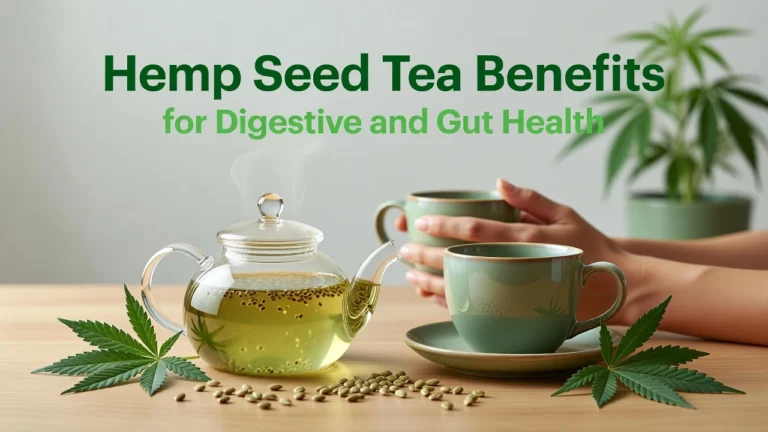
Have you ever felt bloated, sluggish, or just plain uncomfortable after a meal? You are