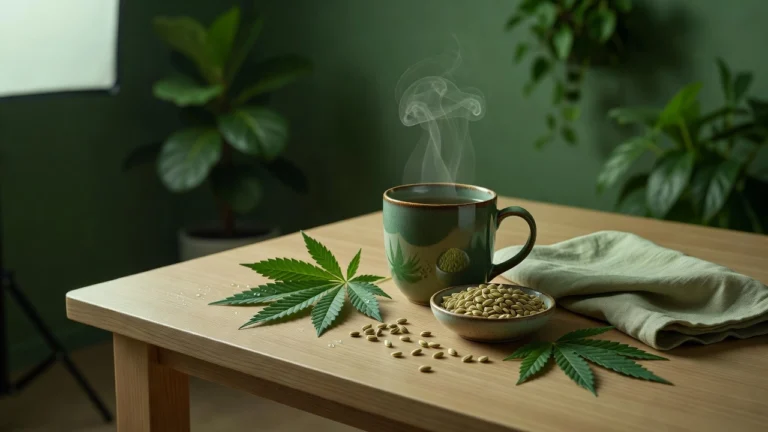
Hemp Seed Tea Benefits for Respiratory and Congestion Relief
Breathing should be effortless, yet millions of people struggle daily with congestion, inflammation, and respiratory
There’s something almost magical about wrapping your hands around a warm mug and breathing in that cool, tingly aroma. If you’ve ever sipped a cup of peppermint tea, you already know exactly what we’re talking about. And if you haven’t yet, well, you’re in for a treat.
Peppermint tea is one of those simple pleasures that more people are discovering every day, and for good reason. It’s refreshing, naturally caffeine-free, and packed with benefits that go way beyond just tasting great. Whether you’re looking to soothe an upset stomach, wind down after a long day, or simply try something new, there’s a good chance peppermint tea has something to offer you.
But with so many blends, brewing tips, and preparation styles out there, it can feel a little overwhelming when you’re just starting out. That’s exactly why we put this guide together. We’re breaking down everything a beginner needs to know, from the top health benefits to the best blends and simple tips for making a truly great cup every single time. Let’s dive in!
Peppermint tea is one of those drinks that almost everyone recognises instantly, that bright, cooling rush the moment you lift the cup. But what exactly is it? At its simplest, peppermint tea is an herbal infusion made by steeping the leaves of the peppermint plant (Mentha x piperita) in hot water. Peppermint itself is a natural hybrid of watermint and spearmint, and it’s this unique parentage that gives it such a bold, distinctive character.
What sets peppermint apart from its milder cousin spearmint is its significantly higher concentration of menthol, the natural compound responsible for that sharp, refreshing sensation that lingers on the palate long after your last sip. It’s part of what makes peppermint tea feel so invigorating, even though it contains absolutely no caffeine.
That’s right, peppermint tea is naturally caffeine-free. Unlike your morning builders brew or a green tea, peppermint isn’t derived from the Camellia sinensis plant. It belongs instead to a broader family of botanical drinks known as herbal infusions or tisanes, making it a brilliant choice any time of day. You can read more about its science-backed health benefits over at Healthline, or explore the published bioactivity research on PubMed if you fancy diving into the science.
Its popularity is no small thing either. The global peppermint tea market was valued at USD 205.5 million in 2022 and is projected to reach USD 308.2 million by 2030, growing at a steady CAGR of 5.2%. Sitting alongside chamomile, ginger and hibiscus as one of the most-loved herbal ingredients worldwide, peppermint clearly resonates across generations and cultures, and it’s easy to understand why.
Peppermint tea has been treasured for centuries, and it’s not hard to see why. Beyond its wonderfully fresh flavour, it carries a warm reputation for everyday wellness that has stood the test of time. Here are some of the most-loved reasons people reach for a cup.
It’s a classic after-dinner choice. One of peppermint tea’s most enduring reputations is as a comforting post-meal drink. The natural menthol found in peppermint leaves is associated with soothing digestive comfort, which is why so many people instinctively brew a cup after eating. This reputation is so well-established that digestive wellness is widely cited as one of the key drivers behind the growing peppermint tea market. It’s a tradition rooted in centuries of herbal appreciation, not modern marketing.
It’s a genuinely mindful moment in your day. There’s something quietly powerful about stepping away from the screen, boiling the kettle, and brewing a warm cup of something natural. Peppermint tea is completely caffeine-free, so that calming ritual is available any time, morning, afternoon, or evening, without any stimulant side effects. It’s the kind of simple daily pleasure that genuinely supports a more grounded, balanced routine.
The menthol makes it feel energising, naturally. That bright, cooling lift you get from peppermint comes from its naturally occurring menthol. According to science-backed research, this distinctive cooling sensation is what makes peppermint tea such a popular choice for a morning start or an afternoon reset; it feels refreshing and invigorating without relying on caffeine at all.
It’s the perfect starting point for herbal tea beginners. If you’re new to herbal teas, peppermint is one of the most welcoming flavours you can start with. It’s clean, familiar, and instantly recognisable, bridging the gap between the everyday and the more adventurous world of botanical blending beautifully.
Something genuinely interesting is happening in the world of tea right now. Across Europe, more and more people are actively seeking out drinks that are naturally caffeine-free, not as a reluctant compromise, but as a deliberate, positive choice. Whether it’s cutting back on coffee, managing an afternoon energy slump, or simply wanting a cup before bed that won’t keep you staring at the ceiling, the appetite for beverages that work with your body rather than against it has never been stronger.
Peppermint tea sits right at the heart of this shift. Because it contains no caffeine at all, it genuinely fits into any moment of the day. A warming cup in the morning, a refreshing brew after lunch, a calming ritual before sleep; peppermint tea adapts to your routine without any of the trade-offs you’d face with green or black tea.
The numbers tell a compelling story. The European herbal tea market is currently valued at around USD 1.23 billion and is projected to grow to USD 1.55 billion by 2034. Caffeine-free positioning is cited as one of the key purchase drivers behind that growth, sitting alongside clean-label credentials and a wider preference for natural ingredients.
It’s also worth noting that green tea currently dominates the European product-type segment, which actually signals real and growing opportunity for caffeine-free herbal alternatives. As more people become aware of caffeine sensitivity and mindful drinking habits, naturally caffeine-free options are well placed to earn a larger share of that daily ritual. For a full picture of global herbal tea market trends, the momentum behind botanical blends is clear and sustained.
For anyone reducing their coffee intake or simply seeking a more considered daily habit, peppermint tea offers something genuinely satisfying. It doesn’t feel like settling for less.
If you look at what tea drinkers are actually buying, the picture is remarkably clear. Blended peppermint tea dominates the global peppermint tea market by type, and that isn’t a small margin. According to market research from SNS Insider, the global peppermint tea market was valued at USD 205.5 million in 2022 and is projected to reach USD 308.2 million by 2030. The blended segment leads that growth, driven by consumers who want peppermint as a foundation but with something more layered in the cup. Most tea lovers, it turns out, are already reaching for a blend without necessarily thinking of it that way.
The reason blended peppermint teas perform so well comes down to something quite simple: pure peppermint can be a lot. That sharp, intense menthol hit is wonderful in small doses, but it can feel one-dimensional over a full cup. Blending softens those edges. Adding warmth, floral notes or earthy depth transforms peppermint from a single, bright note into something genuinely nuanced, a tea that feels different depending on your mood, the time of day or what you need from it.
Two botanicals that work beautifully alongside peppermint are lavender and rose petals. Lavender brings a gentle, calming floral quality that takes the intensity down a notch without dulling the mint entirely. Rose petals add something slightly sweet and delicate, rounding out the blend and making it feel more complete and approachable.
Hemp seed is perhaps the most surprising addition, but it earns its place. It contributes a subtle earthy depth and a smooth, rounded texture to the cup that grounds the whole infusion. Where peppermint lifts and brightens, hemp seed settles and balances, creating something more satisfying than either ingredient alone.
At Leonard’s Herbal Hemp Tea, crafted on Rowchester Farm in the Scottish Borders, these four botanicals, British-grown hemp seed, refreshing mint, fragrant lavender and delicate rose petals, come together in a single thoughtfully made blend. It starts from something familiar and takes it somewhere genuinely worth exploring.
Not all peppermint blends are created equal, and once you know what to look for, the difference becomes obvious. Here are five things worth checking before you buy.
1. Ingredient transparency The ingredient list tells you almost everything you need to know. A quality blend keeps things honest and simple, listing every botanical clearly with no hidden additives, artificial flavourings, or unnecessary fillers padding things out. If you can’t pronounce something or you’re not sure why it’s there, that’s worth questioning. The clean-label movement is well established across European herbal teas, and for good reason; what goes into your cup matters.
2. Where the ingredients come from Sourcing is just as important as the recipe itself. Knowing whether your botanicals were grown sustainably, and where in the world they originated, gives you confidence in what you’re drinking. Provenance is becoming a genuine priority for conscious buyers in 2026, not just a nice extra.
3. Small-batch and artisan production Larger-scale, mass-produced teas often sacrifice consistency and care for volume. Small-batch blending means each ingredient gets proper attention at every stage, from selection through to packaging, resulting in a more flavourful and considered cup.
4. Organic and loose-leaf formats The European loose-leaf tea market is forecast to reach USD 1.47 billion by 2034, growing at a 4.59% CAGR. Organic and loose-leaf formats are the fastest-growing sub-segments, driven by shoppers seeking less-processed, more natural products.
5. Sustainable packaging Packaging reflects a brand’s values as much as its flavour. Minimal, recyclable, or refillable packaging signals a producer that thinks carefully about its environmental footprint. Strong anti-plastic sentiment across European markets is pushing this forward, and it’s a quality marker worth paying attention to.
Britain has a genuinely remarkable history when it comes to growing aromatic herbs and botanicals. The mild, damp climate of the British Isles creates conditions that many drier countries simply cannot replicate, encouraging the development of rich fragrance and depth of flavour in plants like mint, lavender and rose. In fact, peppermint itself was first identified as a distinct species in England in the late 17th century, and British farms were among the earliest to cultivate it seriously. That heritage runs deep, and it shapes the quality of what grows here today.
The Scottish Borders, where Rowchester Farm sits, adds its own distinctive character to the story. Clean air, fertile upland farmland and a farming culture that stretches back generations all contribute to the quality of the botanicals grown there. This is a landscape shaped by real seasons, proper winters and long summer days, and those conditions leave their mark on every ingredient harvested. It is the kind of place where farming is not a backdrop but a living, breathing part of daily life.
What makes Leonard’s Herbal Hemp Tea genuinely special is the inclusion of British-grown hemp seed, a real first in the botanical tea world. No large-scale producer can replicate the traceability and seasonal connection that comes from growing and blending everything on a single working farm. The hemp seed in Leonard’s blend contains no CBD or THC; it is simply a natural botanical ingredient, appreciated for its earthy, rounded flavour and its role in a thoughtfully layered infusion.
Choosing farm-crafted, British-grown botanical tea also carries a quiet environmental logic. Fewer food miles, direct support for local agriculture and a genuine connection to the rich traditions of British tea culture all come as part of the cup. When you brew Leonard’s blend, you are not just enjoying a drink; you are connecting with a real landscape and the people who care for it.
Premium herbal tea has quietly become one of the most genuinely appreciated gifts you can give. Unlike generic candles or boxes of chocolates, a beautifully crafted botanical blend feels personal, practical and pleasurable all at once. It says something thoughtful about the person giving it, and offers the recipient something they can actually enjoy every single day.
A peppermint-based blend is a particularly smart choice for anyone cutting back on caffeine, exploring natural wellness alternatives, or simply someone who deserves a proper moment of calm in their day. Because herbal tea is naturally caffeine-free, it suits almost everyone, including new parents, people managing anxiety, or anyone who finds a strong brew a little too much later in the day.
What really lifts a botanical blend above a last-minute supermarket purchase is the story behind it. A blend that combines peppermint with lavender, rose petals and hemp seed has character and depth. It tells the recipient that someone took the time to choose something considered and distinctive. You can even explore artisan and handcrafted peppermint and herbal tea gifts to see just how much appetite there is for thoughtful, small-batch options.
Occasions that suit a premium herbal tea gift are wonderfully varied. Birthdays, housewarmings, thank-you gestures, new baby gifts and seasonal celebrations all work beautifully. It is the kind of gift that feels generous without being extravagant.
Leonard’s teas, crafted with care on Rowchester Farm in the Scottish Borders, carry exactly the kind of provenance and personal touch that makes a gift genuinely memorable. For anyone who values quality, sustainability and a real connection to British farming traditions, that story matters.
Getting the best from your peppermint tea comes down to a few simple habits, and once you know them, every cup improves noticeably.
1. Start with the right water temperature Use freshly drawn, filtered water where possible and heat it to around 90 to 95 degrees Celsius rather than a full rolling boil. Boiling water can make peppermint taste slightly harsh and strip away some of its more delicate aromatic qualities. That bright, clean mintiness you want in the cup is carried by volatile oils, and they respond better to a gentler heat.
2. Steep for 5 to 7 minutes This gives the mint and any companion botanicals enough time to fully release their flavours. A shorter steep of around 5 minutes produces a lighter, more refreshing result; a longer steep pushes the infusion towards something bolder and more aromatic. It is worth experimenting to find your preference.
3. Let a blended tea settle before drinking For botanical blends, give the cup a moment to rest after steeping. This is particularly useful with loose-leaf, as the different botanicals need a little time to meld and balance in the cup.
4. Try it iced Peppermint tea is brilliant served cold. Following advice from America’s Test Kitchen, brew at double strength and pour directly over ice to compensate for dilution. It is especially refreshing during warmer months.
5. Skip the milk and sugar A quality peppermint blend needs neither. The natural mint oils, any floral notes, and the earthy depth of companion botanicals should carry the cup entirely on their own. If they do, that is a good sign the ingredients are doing exactly what they should.
Peppermint tea is a brilliant starting point for anyone curious about the wider world of herbal infusions, but it is really just the beginning. The real excitement comes when you explore what happens when fresh mint meets other carefully chosen botanicals. Blended formats bring out flavours and qualities that a single herb simply cannot offer on its own.
When you are choosing your next blend, look for transparency above everything else. Honest ingredients, clear provenance, and no hidden additives are the qualities that separate a truly special cup from something purely functional. Knowing where your tea comes from genuinely matters.
That is exactly the philosophy behind Leonard’s Herbal Hemp Tea, crafted at Rowchester Farm in the Scottish Borders. British-grown hemp seed, mint, lavender and rose petals come together in a blend that celebrates honest, sustainable British botanical farming at its finest.
Whether you are discovering peppermint tea for the very first time, building a calming caffeine-free daily ritual, or looking for a gift made with genuine thoughtfulness and care, the right botanical blend has something meaningful to offer every single cup.
Peppermint tea is more than just a warm drink. It’s a simple, accessible ritual that can support your digestion, help you unwind, and bring a refreshing moment of calm to even the busiest day. Whether you’re drawn to its soothing health benefits, its naturally caffeine-free profile, or its bright, invigorating flavor, there’s a blend and a brewing style out there that’s perfect for you.
Here’s what to remember: start with quality ingredients, experiment with blends, and don’t be afraid to make the cup your own.
Now it’s your turn. Pick up a tin of peppermint tea, boil the kettle, and experience the difference for yourself. Once you taste what a truly great cup can be, we have a feeling it won’t be your last.
Breathing should be effortless, yet millions of people struggle daily with congestion, inflammation, and respiratory

Have you ever felt bloated, sluggish, or just plain uncomfortable after a meal? You are