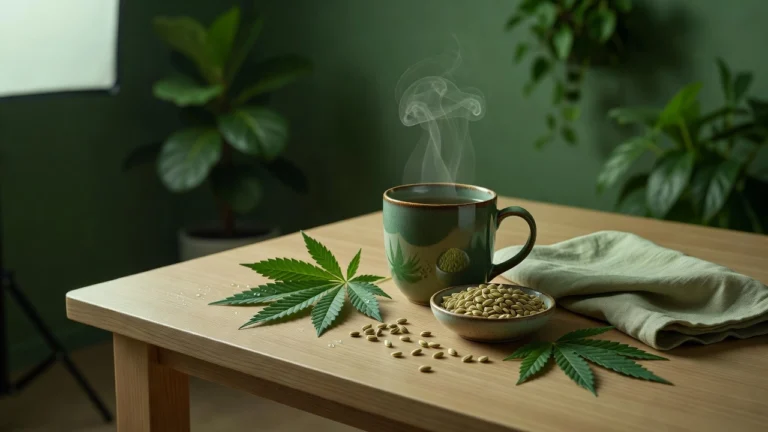
Hemp Seed Tea Benefits for Respiratory and Congestion Relief
Breathing should be effortless, yet millions of people struggle daily with congestion, inflammation, and respiratory
Have you ever stood in the tea aisle feeling completely overwhelmed by the endless rows of boxes, wondering what actually makes something a “tea” versus an “infusion”? You are definitely not alone in that confusion.
Here is the good news: once you understand the basics, the world of herbal infusion tea opens up in the most wonderful way. Whether you are looking for a calming evening drink, a natural boost of wellness, or simply something delicious to sip, herbal infusions have something for everyone.
In this guide, we are going to walk through everything a beginner needs to know. We will cover what herbal infusion tea actually is, how it differs from traditional tea, which popular botanicals you should know about, and the simple steps to brew a perfect cup at home. No complicated equipment, no confusing jargon, just clear and practical advice you can start using right away.
By the time you finish reading, you will feel confident enough to explore herbal infusions on your own and maybe even start building your own little collection of favorite blends. Let us get started!
If you’ve ever wondered what actually makes a herbal infusion tea different from your everyday cuppa, you’re in good company. It’s a question worth exploring, and the answer is simpler than you might think.
A herbal infusion tea, sometimes called a tisane, is made by steeping botanical ingredients such as herbs, flowers, seeds, and roots in hot water. What makes it distinct is what it doesn’t contain: no leaves from the Camellia sinensis plant. That single detail changes everything. Because Camellia sinensis is the source of all conventional teas, including black, green, white, and oolong, and because that plant naturally contains caffeine, herbal infusions are inherently caffeine-free. According to a comprehensive review published by the National Institutes of Health, tisanes have been valued across cultures for centuries, both as everyday beverages and as traditional botanical preparations.
The range of ingredients that qualify is wonderfully broad. Flowers like lavender and rose petals bring delicate floral notes. Fresh herbs like mint add a clean, cooling brightness. Seeds such as hemp contribute an earthy, nutty depth. Roots like ginger offer warmth and spice. Each botanical brings its own character to the cup, which is part of what makes herbal blending such a rewarding craft. As ScienceDirect notes in its herbal tea overview, blends can combine herbs, spices, seeds, fruits, flowers, and roots in virtually endless combinations.
Britain has a long and well-established relationship with botanical beverages, rooted in a tradition of using plants in everyday food, drink, and home remedies. That culture is very much alive today. The global herbal tea market is valued at USD 4.2 billion in 2026, with steady growth forecast through the next decade, driven by rising demand for natural, caffeine-free drinks. Herbal infusion tea sits at a genuine crossroads: it is both a centuries-old tradition and a thoroughly modern choice for anyone looking to drink more mindfully.
So, why is everyone suddenly reaching for a herbal infusion tea? The honest answer is that it’s not so sudden at all. Interest has been building steadily for years, and there are some genuinely good reasons behind it.
Caffeine-free living has real, everyday appeal. One of the biggest draws is simply the freedom to enjoy a warming, flavourful drink at any point in the day without thinking twice. A standard black tea or coffee brings caffeine into the picture, which means some people limit their afternoon or evening cups to protect their sleep. A herbal infusion sidesteps that entirely. Whether you’re easing into your morning, taking a mid-afternoon break, or winding down before bed, there’s no need to watch the clock. For anyone trying to reduce caffeine dependency, that flexibility is genuinely valuable.
Knowing exactly what’s in your cup matters more than ever. There’s a broader shift happening in how people think about what they eat and drink. Shoppers are increasingly drawn to products with short, recognisable ingredient lists and no artificial additives. Herbal infusions fit that preference naturally, particularly blends made from straightforward botanicals with nothing hidden in the mix. This clean-label approach isn’t a passing trend; it’s a reflection of how consumer values are changing.
Curiosity is pushing people beyond the familiar. While chamomile and plain peppermint remain popular, more people are exploring layered botanical blends with distinctive, nuanced flavours. Hemp seed, lavender, rose petals and mint, as found in Leonard’s signature blend, represent exactly the kind of botanical innovation that’s drawing new interest to the category.
There’s also something to be said for the ritual itself. Brewing a herbal infusion is a small, intentional act, a quiet pause rather than a rushed caffeine fix. That mindful moment has become meaningful to a lot of people.
The numbers reflect all of this. The UK herbal tea market is forecast to grow from around USD 199 million in 2025 to USD 310 million by 2035, pointing to sustained, genuine demand rather than a fleeting wellness fad. It’s a shift worth paying attention to.
Not all herbal infusion teas are created equal, and once you know what to look for, the differences become quite clear. Quality comes down to a handful of key principles, and understanding them helps you make genuinely informed choices rather than simply reaching for whatever’s on the shelf.
Provenance matters more than most people realise. The soil, climate, and growing conditions of a region directly influence the flavour compounds, aroma, and overall character of a botanical. Herbs and flowers grown in clean, well-managed land tend to deliver a more vibrant, rounded flavour than those sourced from anonymous commodity suppliers. British-grown ingredients, in particular, carry a level of transparency that bulk blends simply cannot offer. You can trace them to a specific place, understand the farming practices behind them, and trust what’s actually in your cup.
A genuinely quality herbal infusion should taste the way it does because of the botanicals themselves, full stop. Artificial flavourings are often used to mask the flatness of lower-grade ingredients, which is a clear sign that corners have been cut somewhere along the supply chain. If a blend is built on honest, carefully selected botanicals, there’s simply no need for anything synthetic. The flavour should be natural, recognisable, and consistent from cup to cup.
There’s a meaningful difference between a blend crafted in small quantities with specific flavour intentions and a teabag produced at industrial scale. Small-batch production allows for closer attention at every stage, from selecting each botanical to achieving the right balance in the final blend. The result is something with genuine depth and integrity, rather than a product optimised purely for volume.
Sustainability isn’t just about packaging. It’s about understanding your entire supply chain. When a product comes from a named farm or region, you can make real decisions about its environmental and ethical impact rather than relying on vague assurances.
This is exactly what Leonard’s Herbal Hemp Tea represents in practice. Made at Rowchester Farm in the Scottish Borders, it’s a family-run operation where every ingredient is thoughtfully selected, every batch is crafted with care, and the link between the land and your cup is direct and completely traceable. That kind of farm-to-cup provenance isn’t a marketing phrase; it’s the foundation that quality herbal infusion tea is built on.
Hemp seed is one of those ingredients that often raises an eyebrow or two at first glance, which is completely understandable. But once you understand what it actually is and what it brings to a blend, it quickly earns its place alongside the lavender, mint, and rose petals in your cup.
Hemp (Cannabis sativa L.) is a plant with deep roots in British agricultural history. Long before it became associated with modern wellness trends, hemp was cultivated across Britain for centuries, valued as a practical crop used in food production and textile manufacturing. It is, in many ways, one of the most historically British of ingredients. Far from being an exotic newcomer, it belongs to the same tradition of honest, whole-ingredient farming that sits at the heart of what we do at Rowchester Farm.
We want to be completely clear on this point, because it’s one that genuinely confuses people. Hemp seed, which is what we use in Leonard’s blend, contains no CBD and no THC whatsoever. Those compounds are found in the flower and bud of the female cannabis plant, not in the seed. Our blend uses hemp seed as a straightforward botanical ingredient, just as you would use any other seed or herb, with no psychoactive compounds involved at any stage.
Flavour-wise, hemp seed brings a mild, slightly nutty warmth to a blend. Think of it a little like sesame or sunflower seed; subtle, smooth, and grounding rather than dominant. In our blend, it acts as a gentle base note, providing body and depth that allows the brighter, more aromatic qualities of mint and lavender to shine without the overall infusion feeling thin or one-dimensional. It rounds everything out beautifully.
Hemp seed is, quite simply, one botanical ingredient among many. Valued for its flavour, its heritage, and its natural fit within a farm-grown British blend crafted with care and complete transparency. You can read more about hemp seeds as a valuable natural food ingredient in this peer-reviewed research published in Molecules.
Everything we’ve explored in this guide, the importance of clean ingredients, honest provenance, and genuine craft, comes together in a single blend made on a working farm in the Scottish Borders.
Leonard’s Herbal Hemp Tea is built on just four British-grown botanicals: hemp seed, mint, lavender, and rose petals. Each one earns its place in the cup. The hemp seed is gently roasted and crushed before blending, releasing a smooth, naturally nutty depth that gives the infusion its body and warmth. Mint brings brightness and lift, adding a clean, refreshing quality that keeps the blend feeling light rather than heavy. Lavender, hand-picked for its soft floral aroma, carries the blend’s character and adds a naturally calming quality. Rose petals provide the finishing touch; delicate, subtly sweet, and gently botanical. Together, the four ingredients create something cohesive and balanced, where no single flavour dominates.
The tea is crafted at Rowchester Farm in Greenlaw, nestled in the rolling landscape of the Scottish Borders. It’s a family-run operation rooted in a genuine love of the land, inspired by the herbs, gardens, and countryside that founder Leonard Harper Gow grew up around. Everything is hand-blended in small batches, using ingredients grown on the farm itself or sourced from trusted British growers. There are no artificial additives, no unnecessary extras; just honest herbal tea made with care and intention.
That kind of provenance matters. When you know exactly where something comes from and how it was made, the cup means more. It’s also what makes Leonard’s blend a genuinely considered gift. Rather than reaching for something generic, you’re choosing a tea with a real story, real ingredients, and a real place behind it. For anyone who values quality, sustainability, and a connection to British farming, it’s a natural choice. You can explore the full range and learn more about the blend at Leonard’s Herbal Hemp Tea.
Brewing a great cup of herbal infusion tea at home is simpler than you might think, and a few small habits make a noticeable difference to the final result.
Unlike green or white tea, which need cooled water to protect their delicate leaves, herbal infusions positively welcome freshly boiled water. Aim for around 95 to 100 degrees Celsius, so simply bring your kettle to a full boil and pour straight away. The higher temperature helps draw out the full character of botanical ingredients like dried flowers, seeds, and leaves, giving you a richer, more flavourful cup.
Allow your blend to steep for 5 to 7 minutes as a starting point. A shorter steep of around 5 minutes produces a lighter, more delicate infusion where the floral notes of lavender and rose come through gently. Leave it a little longer and the flavours deepen and become more rounded. There is no wrong answer here; it is worth experimenting until you find the strength that suits you best.
Leonard’s mint, lavender, and rose blend is wonderfully versatile. Enjoy it warm as it is, or stir in a small amount of honey if you prefer a touch of sweetness. On warmer days, brew a cup, allow it to cool, and pour it over ice for a refreshing cold botanical infusion. The mint carries beautifully in both formats, keeping things bright and clean whatever the season.
Because Leonard’s blend is naturally caffeine-free, it fits comfortably into any part of your day. A quiet cup first thing in the morning, a gentle pause away from the screen in the afternoon, or a calming drink before bed; all are perfectly suited moments. There is no need to watch the clock or worry about sleep disruption.
Two simple habits will improve every cup. First, rinse your cup or teapot with hot water before brewing; this pre-warms the vessel and helps maintain the water temperature throughout steeping. Second, cover your cup with a saucer or use a teapot with a lid while the blend steeps. This traps the aromatic oils released by botanical ingredients like lavender and rose petals, keeping those lovely fragrant notes in your cup rather than escaping into the air.
Herbal infusion tea has been part of human life for centuries, and what we’re seeing now is not a passing trend but a genuine homecoming. Consumers across Britain and beyond are reaching for natural, clean-label, caffeine-free drinks with a thoughtfulness and intention that simply wasn’t there a generation ago. That shift matters, because it changes what a cup of tea can mean.
Provenance is at the heart of that change. Knowing where your botanicals were grown, how they were blended, and what went into the cup transforms a small daily ritual into something far more considered. That is precisely the thinking behind Leonard’s blend from Rowchester Farm in the Scottish Borders: honest ingredients, no shortcuts, and a genuine connection between land and cup.
If anything in this guide has sparked your curiosity, we’d warmly invite you to explore further. Read about the farm story, discover the individual botanicals, or take a look at our gifting options for something truly thoughtful to share.
Great botanical tea, made with care and grown with pride. That’s what we’re here for.
Herbal infusion tea is more than just a warm drink; it is a simple, accessible way to bring more wellness and intention into your daily routine. Here are the key things to remember: herbal infusions are caffeine-free botanical blends, not true teas. Different herbs offer different benefits, from calming chamomile to energizing peppermint. Brewing a great cup requires nothing more than hot water, quality botanicals, and a few minutes of patience.
Now it is your turn to explore. Start with one or two herbs that match your current needs, experiment with steeping times, and pay attention to how each blend makes you feel. Your perfect cup is out there waiting to be discovered. The tea aisle is no longer overwhelming; it is an invitation to something genuinely good for both your body and your mind.
Breathing should be effortless, yet millions of people struggle daily with congestion, inflammation, and respiratory
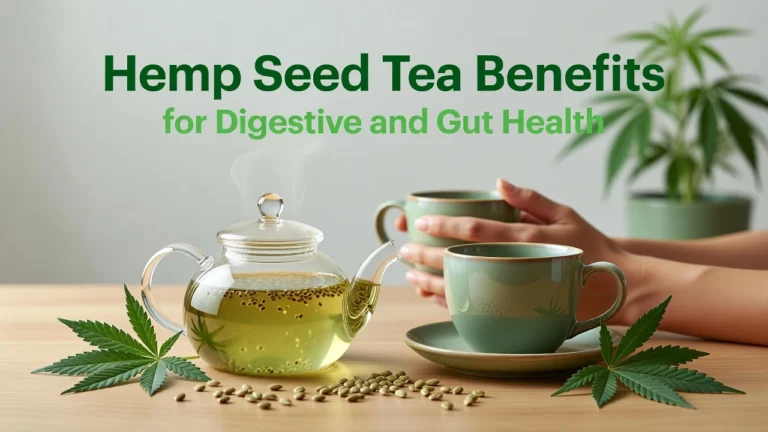
Have you ever felt bloated, sluggish, or just plain uncomfortable after a meal? You are