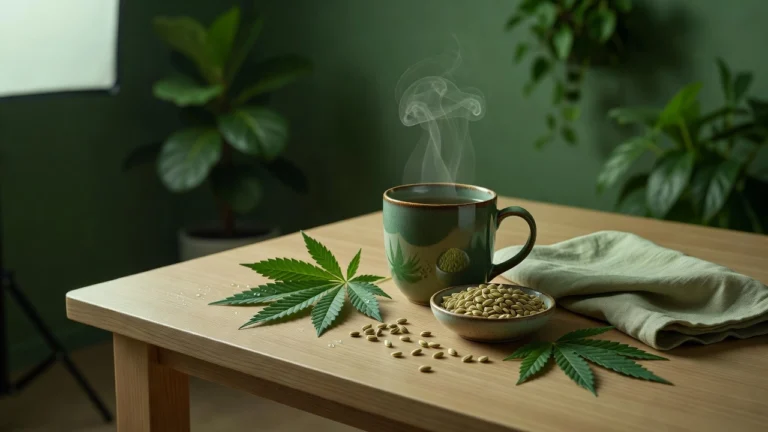
Hemp Seed Tea Benefits for Respiratory and Congestion Relief
Breathing should be effortless, yet millions of people struggle daily with congestion, inflammation, and respiratory
Have you ever wondered why so many people are swapping their morning coffee for a warm, soothing cup of herbal tea? Well, there is a newcomer making serious waves in the wellness world, and it goes by the name of herbal hemp tea. If you have not tried it yet, you are in for a treat, and more importantly, a whole lot of goodness for your body.
One of the biggest reasons people are falling in love with this earthy, calming brew is simple: herbal hemp tea benefits of antioxidants are genuinely impressive. Antioxidants are like tiny bodyguards that help protect your cells from damage, and hemp tea happens to be packed with them.
But what does that actually mean for your health? And why should you, as someone just starting to explore natural wellness, even care? That is exactly what we are going to break down for you today. In this post, we will walk through the top antioxidant benefits of herbal hemp tea in a way that is easy to understand and totally beginner friendly. Let’s dive in!
If you’ve heard of hemp tea and immediately thought of cannabis, you’re not alone. It’s the single most common reason people hesitate, and it’s completely understandable. But here’s the thing: hemp seed tea and cannabis are not the same thing, and clearing that up takes about thirty seconds.
Hemp seed tea is brewed from the seeds of the Cannabis sativa plant. Yes, that’s the same botanical species, but the variety used for food products like hemp seeds is cultivated specifically to contain negligible levels of THC, the compound responsible for any intoxicating effect. According to a peer-reviewed review published in Cannabis and Cannabinoid Research, hemp seeds have been used as a food and nutritional ingredient for thousands of years, and they carry no meaningful psychoactive properties whatsoever.
It’s also worth separating hemp seed tea from CBD-infused tea. CBD products are deliberately formulated with extracted CBD compounds to deliver a measurable dose. Hemp seed tea contains no added CBD. It is simply a herbal infusion, sitting comfortably in the same category as chamomile or peppermint, and just as legal. Hemp seed products are fully legal in the UK, classified as food ingredients and sold freely on supermarket shelves.
Hemp seed tea is also naturally caffeine-free, which places it firmly within the world of botanical wellness teas rather than anything more complicated.
At Leonard’s, we’ve built our blend around British-grown hemp seed combined with mint, lavender, and rose petals, all grown and blended at Rowchester Farm in the Scottish Borders. No artificial additives, no shortcuts. Just simple, honest botanicals. You can read more about the nutritional profile of hemp seeds to understand why they make such a compelling base for a daily herbal infusion. Now, let’s get into the good stuff.
So now that you know what hemp seed tea actually is, let’s talk about why it keeps coming up in conversations about antioxidants. The short answer is polyphenols. The longer answer is worth understanding, because it helps you make smarter choices about the tea you drink every day.
Polyphenols are natural compounds that plants produce as part of their own defence system. They occur in botanical ingredients without any help from us, and they happen to carry well-documented anti-inflammatory and antioxidant properties that benefit us when we consume them. They are the primary reason plant-based teas have any meaningful antioxidant value at all. Research into Cannabis sativa phytochemistry has identified more than 500 phytochemical compounds in the plant, including phenolics, tocopherols, terpenes, and phytosterols, with documented antioxidant and anti-inflammatory properties. That is a notably rich profile compared to a generic herbal blend.
Here is the plain-language version. Your body constantly produces unstable molecules called free radicals, triggered by everyday things like stress, air pollution, and even normal metabolic processes. Left unchecked, these free radicals cause oxidative damage to your cells over time. Antioxidants neutralise them, essentially stepping in before damage occurs. Hemp seed is confirmed to be rich in antioxidant compounds, with studies on fibre hemp cultivated in Lithuania measuring significant antioxidant activity across multiple validated assays. It is cellular protection in a cup, delivered through whole ingredients with no complicated chemistry required.
A June 2026 comprehensive review of decades of research reached a clear conclusion: the health benefits associated with tea are specific to traditionally brewed tea. Bottled teas and products with added sugars or artificial flavourings actively diminish or eliminate those benefits. This matters because polyphenol bioavailability, meaning how well your body can actually access and use these compounds, depends on the integrity of the ingredients. No artificial additions, just hot water and quality whole ingredients, is genuinely the optimal approach. At Leonard’s, that is simply how our tea is made, with nothing added and nothing interfering.
Hemp seed is not just vaguely “antioxidant-rich.” It contains specific, documented compounds: tocopherols (the vitamin E family), phenolic acids, and flavonoids, all confirmed phytochemicals in Cannabis sativa seed. This gives it a measurable, characterisable antioxidant profile that goes well beyond a generic herbal claim. Hot water extraction through traditional brewing is all that is needed to release these naturally occurring compounds into your cup.
Now you understand what polyphenols are and how they work, let’s get to the good stuff. Here are six meaningful ways that regularly enjoying a cup of herbal hemp tea may support your health over time.
Every day, your body faces oxidative stress from things like pollution, processed food, and even just normal metabolic activity. Antioxidant compounds found in hemp seed tea help minimise the detrimental effects this stress can have on both your body and your mind. The key word here is regular. This isn’t about drinking one cup and feeling transformed. It’s about building resilience gradually, the way consistent good habits always work. Think of it less like a remedy and more like a daily investment in how well your body copes over time.
This is one of the most consistently supported findings across decades of tea and polyphenol research. Multiple large population studies have linked regular polyphenol consumption to a reduced risk of heart disease, with comprehensive reviews of tea and herbal beverage research identifying cardiovascular benefit as among the strongest associations in the literature. Polyphenols appear to support healthy blood vessels and reduce some of the biological processes linked to cardiovascular risk. For something you can enjoy every evening in a warm mug, that’s a remarkably accessible place to start.
The broader research on traditionally brewed, polyphenol-rich tea paints an impressive picture for healthy ageing. Studies across multiple populations have found protective associations with heart disease, type 2 diabetes, and age-related conditions, leading researchers to describe tea as one of the most evidence-supported and lowest-cost dietary interventions available. The phrase “near-zero cost” appears repeatedly in this research, which feels worth highlighting. You don’t need an expensive supplement routine to introduce meaningful antioxidant support into your day.
Polyphenols don’t just act as antioxidants; they also carry well-established anti-inflammatory properties. Chronic low-level inflammation is increasingly linked to a wide range of long-term health issues, and research into hemp tea and herbal infusions consistently highlights anti-inflammatory activity as one of the core potential benefits. Regular consumption won’t replace medical treatment, but as part of a balanced lifestyle, it may contribute to reduced systemic inflammation over time.
Here’s where herbal hemp tea has a genuine practical advantage. Conventional teas also contain polyphenols, but they come bundled with caffeine, which isn’t always welcome, particularly in the evening or for anyone managing caffeine sensitivity. Herbal hemp tea delivers antioxidant benefit without any stimulant load at all, meaning you can enjoy a cup after dinner, before bed, or at any point in your day without disrupting your sleep or your nerves. For anyone already cutting back on caffeine, this matters. You’re not sacrificing antioxidant value; you’re simply accessing it on better terms.
The research connecting regular polyphenol-rich tea consumption to brain health is growing steadily. Population-level studies have identified associations between habitual tea drinking and reduced risk of cognitive decline, with polyphenols thought to play a role in protecting neural tissue from oxidative damage over time. As research into herbal tea benefits continues to develop, cognitive support is emerging as one of the more compelling areas of interest. Again, this is about the long game; a daily cup of something genuinely good for you, enjoyed as part of a broader healthy routine.
What you’re drinking in a cup of Leonard’s Herbal Hemp Tea isn’t just one antioxidant source. It’s four, all working together. And that distinction matters more than you might think.
Let’s walk through each ingredient and what it actually brings to the blend.
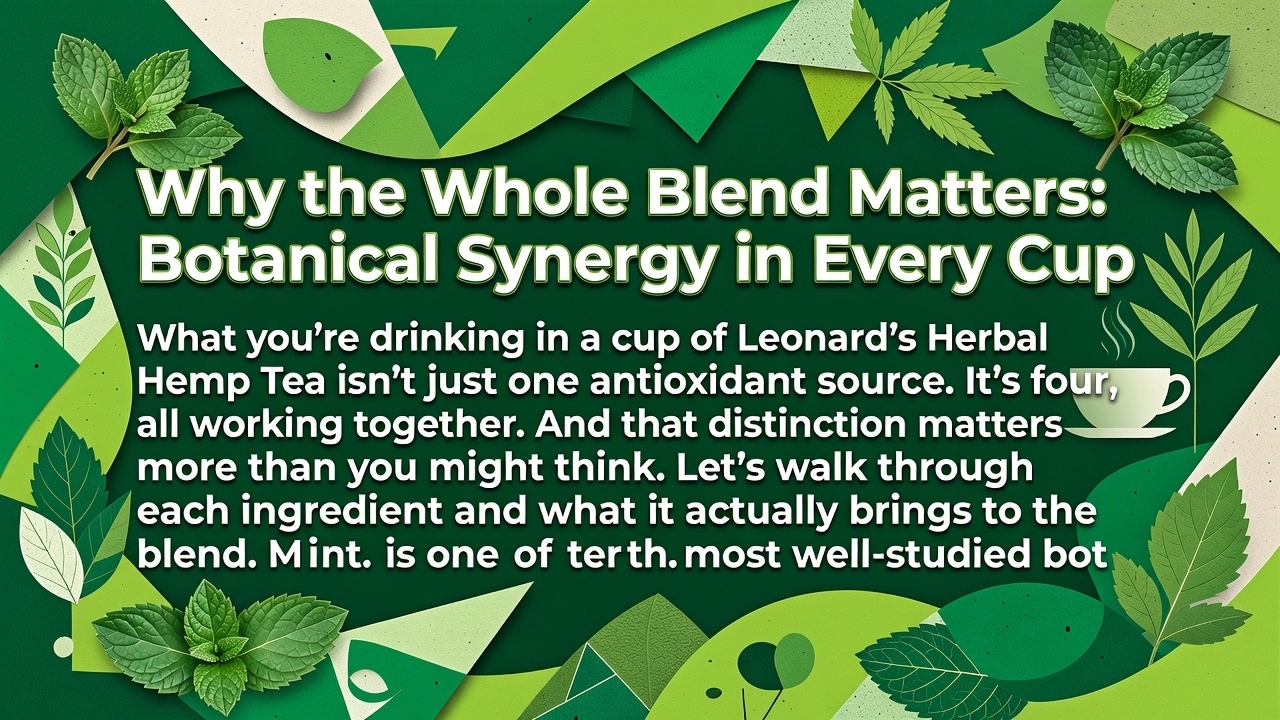
Mint is one of the most well-studied botanicals in plant science, and for good reason. It’s a significant natural source of rosmarinic acid, a phenolic compound that consistently appears in botanical research as a potent plant-derived antioxidant. Alongside rosmarinic acid, mint contributes menthol and a range of additional phenolic compounds that carry both their familiar cooling flavour and genuine bioactive value. In fact, a June 2025 study published in the International Journal of Molecular Sciences found that polyphenol interactions between mint and other botanical ingredients can produce synergistic antioxidant effects that actually exceed what either ingredient delivers on its own. That’s the science of blending working in your favour.
Lavender adds a different dimension entirely. Its key compounds, linalool and linalyl acetate, are well documented in botanical research for their calming properties, and lavender also contributes flavonoids that add to the overall antioxidant profile of the infusion. It isn’t just there for fragrance; it’s a genuinely bioactive ingredient with its own body of supporting research.
Rose petals round out the blend with a rich polyphenol profile, including flavonoids and tannins. Rose has been used in traditional botanical medicine across many cultures for centuries, and modern research backs up that long history of use. As one multi-botanical wellness infusion puts it, rose is “high in polyphenols and vitamin C, with strong antioxidant activity in lab studies.”
Together, hemp seed, mint, lavender, and rose petals create something no single-ingredient tea can replicate: a multi-source antioxidant profile where each botanical contributes a distinct class of beneficial plant compounds. You’re not just getting more of the same thing; you’re getting broader coverage across different compound types in a single cup.
Provenance matters here too. At Rowchester Farm, every ingredient is grown and blended without artificial additives, which means the natural phytochemical profiles are preserved from farm to cup. No unnecessary processing steps, no additives that could interfere with how your body accesses those plant compounds. Just an honest, clean blend, exactly as nature intended.
Getting the most from your cup comes down to a handful of simple habits. None of them require specialist equipment or any real effort, but they do make a genuine difference to how much antioxidant goodness ends up in your mug.
1. Use water that’s hot but not furiously boiling
Aim for around 90 to 95 degrees Celsius rather than a full rolling boil. The reason matters: the lavender, mint, and rose petals in Leonard’s blend contain delicate volatile compounds that give the tea its aroma and much of its botanical character. Excessive heat can drive those off before they ever reach your cup. The hemp seed, being a denser ingredient, still extracts its polyphenols fully at this slightly lower temperature. If you don’t have a temperature-controlled kettle, simply let your boiled kettle sit for a minute or two before pouring. According to research on optimising antioxidant extraction from tea leaves, brewing temperature is one of the most critical variables affecting antioxidant yield.
2. Steep for 5 to 7 minutes
This is the sweet spot for a whole-ingredient herbal blend. Hemp seed takes longer to release its bioactive compounds than finely cut tea dust, so a full five minutes minimum gives the polyphenols time to properly infuse. Going much beyond seven minutes risks drawing out bitter tannins without any meaningful gain in antioxidant content.
3. Cover your cup while it steeps
Place a small saucer over the top of your mug while it brews. This simple trick traps aromatic steam that would otherwise escape, preserving both the flavour and the volatile bioactive compounds from the botanicals. It takes two seconds and genuinely improves the cup.
4. Keep additions simple
A 2026 review of tea’s health benefits confirms that large amounts of sugar or artificial sweeteners actively undermine the properties of traditionally brewed tea. If you prefer a touch of sweetness, a small amount of honey is a gentler choice. Use milk sparingly; it can interfere with polyphenol absorption in herbal blends.
5. Make it a daily habit
The protective associations linked to tea consumption in long-term population studies are built on regular, consistent intake over time, not a single cup here and there. Aiming for one to three cups daily turns hemp tea from an occasional wellness gesture into a genuinely sustainable ritual. That consistency is where the real benefit lives.
There’s a reason clean-label matters beyond the marketing buzzword it’s sometimes treated as. The 2026 research consensus is clear: artificial additives, added sugars, and heavy processing don’t just change the flavour of a herbal tea, they actively degrade the polyphenols and phytochemicals that give the tea its antioxidant value in the first place. Choosing a tea with no artificial extras isn’t simply a lifestyle preference. It’s a science-backed decision about whether the health benefits you’re hoping for actually survive into your cup.
This is exactly why farm-origin traceability matters so much as a quality signal. When Leonard’s Herbal Hemp Tea is grown at Rowchester Farm in the Scottish Borders and blended without artificial additives from field to cup, you have a verifiable, unbroken chain of ingredient integrity. You’re not guessing at what’s in the blend or how it was handled. British-grown hemp seed, mint, lavender, and rose petals, all chosen for flavour and botanical quality, with nothing added that doesn’t belong there.
It also turns out that you’re choosing this kind of product at exactly the right moment. The functional tea market is forecast to grow from USD 7.79 billion in 2026 to USD 11.58 billion by 2032, driven overwhelmingly by consumers seeking wellness benefits paired with ingredient transparency. Separately, the functional tea market outlook through 2033 confirms this is a structural shift in how people think about everyday drinks, not a passing health trend.
The UK and European hemp tea markets are also comparatively less crowded than North America right now, meaning farm-origin products built on genuine quality have real room to grow. For anyone beginning to explore herbal hemp tea, that context is reassuring: the demand for honest, traceable, additive-free botanical beverages is rising steadily, and the science behind why that matters for antioxidant benefit has never been better understood.
Herbal hemp seed tea is a genuinely well-supported antioxidant choice, not a trend or a novelty. The polyphenols and plant-derived bioactive compounds across hemp seed, mint, lavender, and rose petals each contribute real, research-grounded value to every cup. The evidence is clear, and the ingredient list is simple.
The most important thing you can do to unlock those benefits is also the easiest: brew it properly, keep it additive-free, steep it for the right amount of time, and drink it regularly. That is genuinely where the benefit lives. No specialist equipment, no complicated routine, nothing to overthink.
If any hesitation lingers around the word “hemp,” let it go. Hemp seed tea is not cannabis, produces no intoxicating effect whatsoever, and is fully legal in the UK as an everyday food ingredient. The evidence leaves no grey area there.
If you are ready to make antioxidant-rich herbal tea a proper daily habit, Leonard’s blend from Rowchester Farm is a naturally grown, botanically rich place to start. Four thoughtfully chosen ingredients, crafted with care, from farm to cup.
Breathing should be effortless, yet millions of people struggle daily with congestion, inflammation, and respiratory
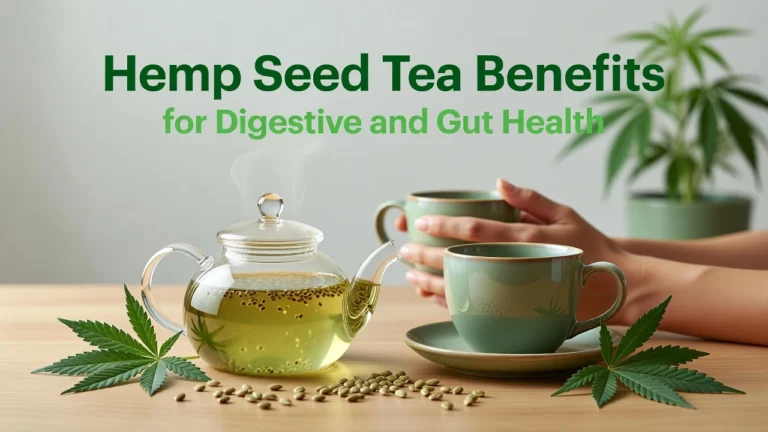
Have you ever felt bloated, sluggish, or just plain uncomfortable after a meal? You are